Africa · Mbabane

    Eswatini Flag — Meaning & Free Screensaver

    Flag colors, people & economy of Eswatini · Capital Mbabane · Africa

    ← All world flagsRead Eswatini flag guide →

    Eswatini flag

    Eswatini

    Africa

    Click to toggle fullscreen

    Population: 1.2 million (2024 est.)

    Languages: Eswatini recognizes colonial-era official languages alongside indigenous tongues; English, French, Arabic, or Portuguese often serve in government.

    Economy: ~$38 billion USD · local currency (regional African monetary systems)

    Full guide: flag colors, ethnicity & economy →

    Other countries

    AlgeriaAngolaBeninBotswanaBurkina FasoBurundiCabo VerdeCameroonCentral African RepublicChadComorosCôte d'IvoireDR CongoDjiboutiEgyptEquatorial GuineaEritreaEswatiniEthiopiaGabonGambiaGhanaGuineaGuinea-BissauKenyaLesothoLiberiaLibyaMadagascarMalawiMaliMauritaniaMauritiusMoroccoMozambiqueNamibiaNigerNigeriaRepublic of the CongoRwandaSão Tomé and PríncipeSenegalSeychellesSierra LeoneSomaliaSouth AfricaSouth SudanSudanTanzaniaTogoTunisiaUgandaZambiaZimbabweAntigua and BarbudaArgentinaBahamasBarbadosBelizeBoliviaBrazilCanadaChileColombiaCosta RicaCubaDominicaDominican RepublicEcuadorEl SalvadorGrenadaGuatemalaGuyanaHaitiHondurasJamaicaMexicoNicaraguaPanamaParaguayPeruSaint Kitts and NevisSaint LuciaSaint Vincent and the GrenadinesSurinameTrinidad and TobagoUnited StatesUruguayVenezuelaAfghanistanArmeniaAzerbaijanBahrainBangladeshBhutanBruneiCambodiaChinaCyprusGeorgiaIndiaIndonesiaIranIraqIsraelJapanJordanKazakhstanKuwaitKyrgyzstanLaosLebanonMalaysiaMaldivesMongoliaMyanmarNepalNorth KoreaOmanPakistanPalestinePhilippinesQatarSaudi ArabiaSingaporeSouth KoreaSri LankaSyriaTaiwanTajikistanThailandTimor-LesteTürkiyeTurkmenistanUnited Arab EmiratesUzbekistanVietnamYemenAlbaniaAndorraAustriaBelarusBelgiumBosnia and HerzegovinaBulgariaCroatiaCzechiaDenmarkEstoniaFinlandFranceGermanyGreeceHungaryIcelandIrelandItalyKosovoLatviaLiechtensteinLithuaniaLuxembourgMaltaMoldovaMonacoMontenegroNetherlandsNorth MacedoniaNorwayPolandPortugalRomaniaRussiaSan MarinoSerbiaSlovakiaSloveniaSpainSwedenSwitzerlandUkraineUnited KingdomVatican CityAustraliaFijiKiribatiMarshall IslandsMicronesiaNauruNew ZealandPalauPapua New GuineaSamoaSolomon IslandsTongaTuvaluVanuatu

    Open any country for its dedicated flag page

    Click on the white box above or press F / Space for fullscreen

    Press ESC to exit fullscreen mode

    World Flags / Eswatini

    About the Eswatini National Flag

    The flag of Eswatini uses colors and symbols reflecting national history, geography, and the aspirations of its citizens. Adopted in the modern era, it appears at government buildings, schools, and international events representing Eswatini on the world stage.
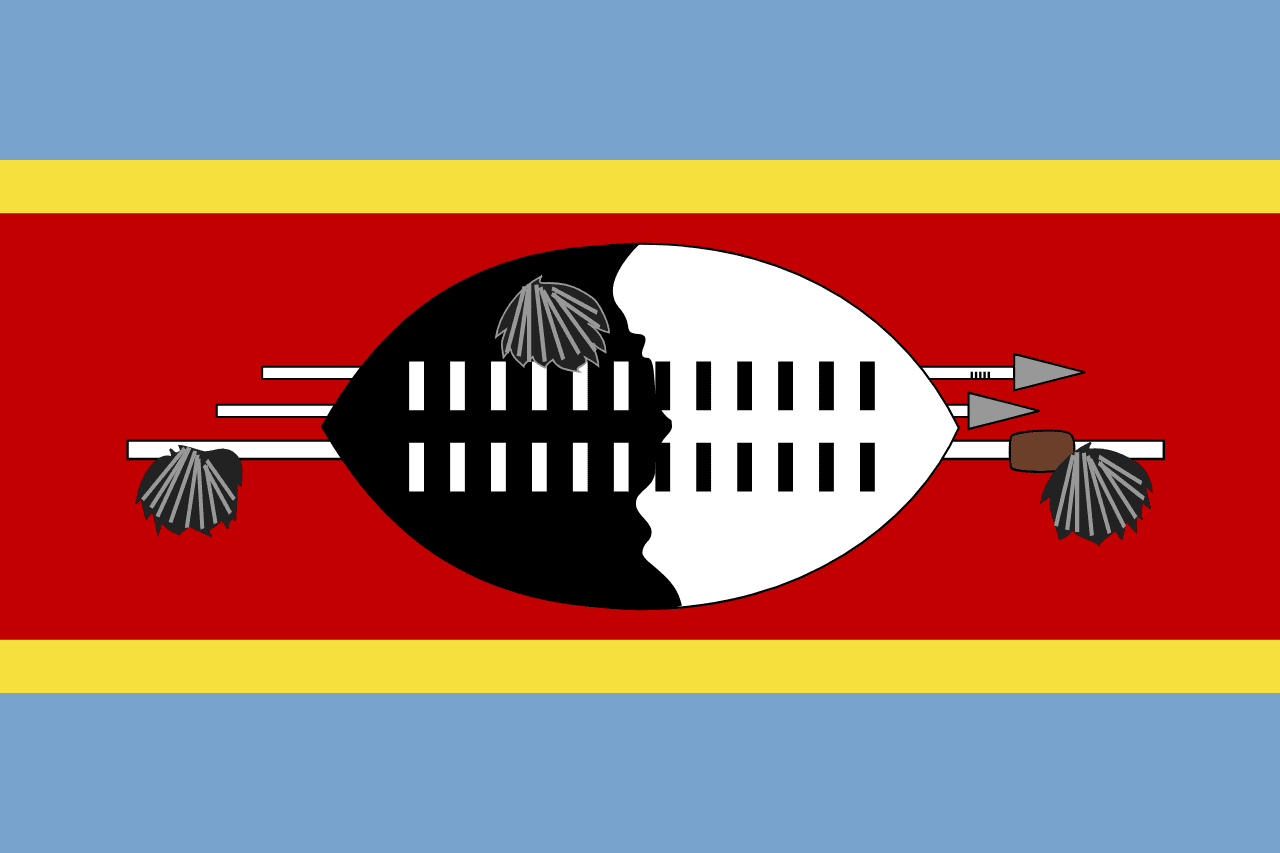
    National flag of Eswatini — fullscreen screensaver preview
    Flag of Eswatini · Capital Mbabane · Africa

    Eswatini — Key Facts

    CapitalMbabane
    Population1.2 million (2024 est.)
    Area17,364 km²
    LanguagesEswatini recognizes colonial-era official languages alongside indigenous tongues; English, French, Arabic, or Portuguese often serve in government.
    Currencylocal currency (regional African monetary systems)
    GDP (nominal)~$38 billion USD
    Independence / foundedEswatini gained independence during the mid-20th century wave of African decolonization.
    Flag adopted1955 (current design)

    Eswatini Flag Colors and Meaning

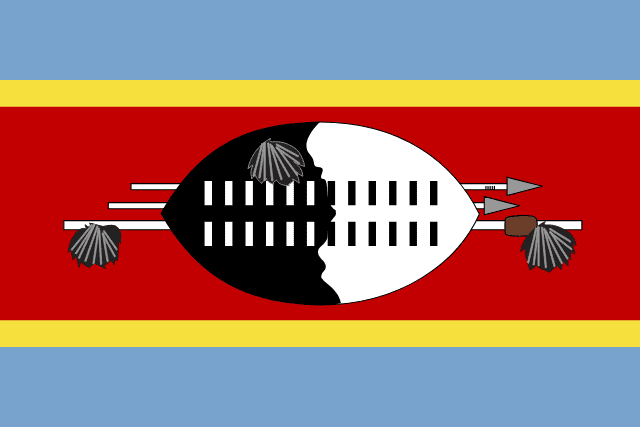
    Each color on the Eswatini flag carries symbolic meaning. Use this table when teaching geography or designing watch-party displays.

    ColorMeaning
    BluePeace and stability
    YellowWealth of mineral resources
    RedPast battles and African heritage
    Black and white shieldBlack and white people living in harmony

    People and Ethnicity in Eswatini

    Eswatini encompasses multiple ethnic communities whose traditions shape village life, music, and local governance. National identity increasingly coexists with pride in ancestral heritage.

    Geography of Eswatini

    Eswatini spans diverse African landscapes from savanna and Sahel to tropical forest or desert margins. Seasonal rains and river systems sustain agriculture and wildlife.

    Economy of Eswatini

    Eswatini's economy draws on agriculture, mining, and services, with urban centers expanding trade links across the continent. Infrastructure investment and regional integration remain priorities for growth.

    • Currency: local currency (regional African monetary systems)
    • GDP (nominal): ~$38 billion USD

    Culture

    Eswatini celebrates music, dance, and oral traditions rooted in community life. Football, local cuisine, and religious festivals mark the cultural calendar.

    Display the Eswatini Flag Fullscreen

    This page is the free online Eswatini flag screensaver. Scroll up, click the preview, or press F for fullscreen. No download or signup required.

    Frequently Asked Questions

    What do the colors of the Eswatini flag mean?

    Blue: Peace and stability Yellow: Wealth of mineral resources Red: Past battles and African heritage Black and white shield: Black and white people living in harmony

    How do I show the Eswatini flag fullscreen?

    Open the Eswatini Flag Screensaver page and press F or click Fullscreen. The flag fills your entire screen with gentle motion.

    What is the population of Eswatini?

    Eswatini has an estimated population of 1.2 million (2024 est.).

    What is the economy of Eswatini based on?

    Eswatini's economy draws on agriculture, mining, and services, with urban centers expanding trade links across the continent. Infrastructure investment and regional integration remain priorities for growth.

    Is the Eswatini flag screensaver free?

    Yes. Free in your browser with no download, signup, or time limit.

    When was the Eswatini flag adopted?

    1955 (current design)