
The flag of United States is more than cloth and color — it is a compact story of geography, history, and identity. This guide explains the symbolism of the United States national flag, then covers population, ethnic makeup, and the modern economy. When you are ready to display it fullscreen, open the free United States Flag Screensaver.
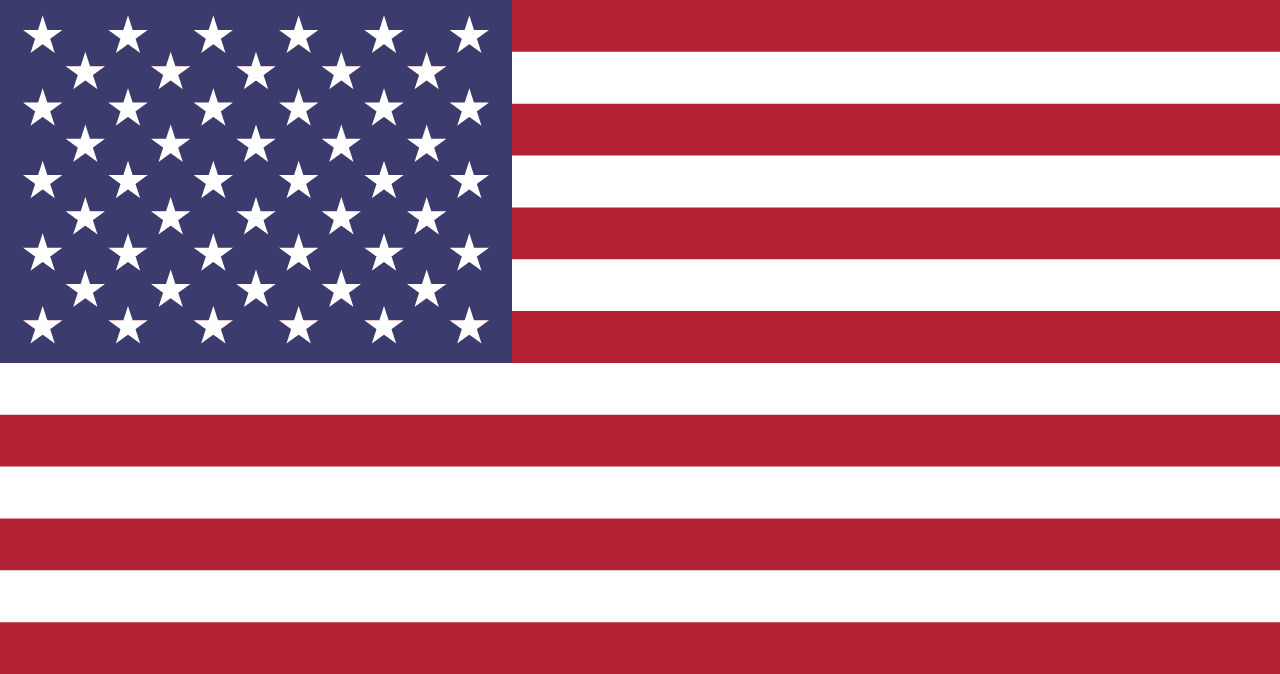
Quick Facts About United States
| Fact | Detail |
|---|---|
| Capital | Washington, D.C. |
| Region | Americas |
| Population | 335 million (2024 est.) |
| Area | 9.8 million km² |
| Official languages | English (de facto national); Spanish widely spoken |
| Currency | United States dollar (USD) |
| GDP (nominal) | ~$28 trillion USD |
| Founded / independence | Independence declared July 4, 1776; Constitution ratified 1788 |
| Flag adopted | 1960 (current 50-star version) |
Meaning of the United States Flag Colors
The 50 stars represent the states and the 13 stripes the original colonies. Known as the Stars and Stripes, it evolved from colonial banners and was standardized after Hawaii joined the Union in 1959.
| Color | Meaning |
|---|---|
| Red | Hardiness and valor |
| White | Purity and innocence |
| Blue | Vigilance, perseverance, and justice |
Understanding these colors helps students, travelers, and fans recognize why the flag looks the way it does — and why it still matters at ceremonies, stadiums, and embassies worldwide.
History Snapshot
United States's modern national story is often dated to Independence declared July 4, 1776; Constitution ratified 1788. The current flag design is associated with 1960 (current 50-star version). Flags change when borders, regimes, or national myths change; studying the United States flag is a shortcut into that political and cultural timeline.
People, Ethnicity & Society
Highly diverse population including European, African, Hispanic/Latino, Asian, and Indigenous heritage. No single ethnic majority; multicultural identity is central to national life.
Languages spoken include English (de facto national); Spanish widely spoken. Demography shapes everything from local festivals to diaspora communities abroad — many of which fly the United States flag at cultural centers and national-day parades.
Geography
Spans temperate and subtropical zones from the Atlantic to the Pacific, with diverse landscapes including plains, mountains, deserts, and coastlines.
Land and climate influence crops, trade routes, and settlement patterns, which in turn shape the economy described below.
Economy of United States
The world's largest economy, driven by technology, finance, healthcare, and consumer services. Major exports include aircraft, machinery, pharmaceuticals, and agricultural products. Silicon Valley and Wall Street are global hubs for innovation and capital.
Currency: United States dollar (USD).
Approx. GDP (nominal): ~$28 trillion USD.
For learners and content creators, pairing economic headlines with a visual of the national flag makes abstract numbers feel concrete — especially on a classroom projector or second monitor.
Culture
A global cultural powerhouse in film, music, sports, and literature. Regional traditions vary widely from New England to the Deep South to the West Coast.
Fun Fact
The U.S. flag has had 27 official versions as new states joined the Union.
Display the United States Flag Fullscreen
Want a living version of the flag on your TV, monitor, or projector?
- Open the United States Flag Screensaver.
- Press F or click Fullscreen.
- Leave it running for lessons, events, or ambient décor.
- Press ESC to exit.
You can also browse all world flags — over 190 countries — with filters by continent, random slideshow, or a locked single flag.
Related Reading
- World Flags Meaning Guide — hub for every national flag article
- World Flags Screensaver — interactive tool
- United States Flag Tool — dedicated fullscreen page
Related tools: Digital Clock · Countdown Timer · Quotes Screen